Cancer care during Covid-19 pandemic
COVID-19 is an infectious illness caused by a new type of coronavirus. There are several types of coronaviruses. Some cause mild illnesses such as a cold, while others can be more serious and affect your breathing or respiratory system. For most people, the virus won’t cause serious problems. But for some people, the virus can have severe complications.
Currently we are passing thorough worst ever health crisis due to Covid 19 pandemic. It has disrupted the spectrum of cancer care, including delaying diagnoses and treatment. It is a challenge for a health worker and also for a patient to arrange routine treatment for cancer during this difficult times. The health system gets overwhelmed due to the large number of admissions of covid patients, leading to significant compromise in care of cancer patients. Cancer patients due to their treatment become immunosuppressed, which means they have low immunity and hence fall under the high-risk group for contracting COVID-19. Cancer patients often requires a regular clinic visits, surgical interventions, radiation therapy appointments, infusion sessions, hospital admissions, laboratory blood tests, and imaging studies. Therefore, the consideration in the delivery of cancer care should be focused on effective cancer treatment enabling oncologists and patients to navigate the crisis. We would recommend the use of- virtual consultation, digital platform for tumor board meetings and use of digital health tools to make healthcare affordable and accessible to all needy cancer patients to receive timely oncology care. Due to the pandemic, certain changes are adopted by most of the cancer centers like: more use of virtual consultations, prioritization of aggressive cancer treatment, adopting protocol for chemotherapy & radiotherapy requiring less frequent hospital visits, strict sanitation protocols in OPD area, day care ward, radiation machines and usage of PPE to protect the task force and patients.
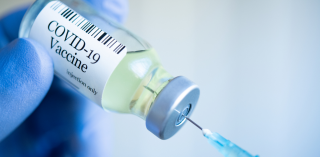 As patients with cancer are more prone to develop severe form of illness due to COVID-19 infection, the benefits of getting vaccinated are more than the risks. Patients who are on cancer directed therapy can receive the vaccine after discussing with their treating oncologist. The oncologist will suggest the suitable time based on the ongoing therapy.
We look forward for rapidly reorganizing our cancer services to ensure that patients continue to receive essential care while minimizing exposure to SARS-CoV-2 infection. Finally, we must practice social distancing, masking and frequent hand wash to stay safe.

Dr. Hitesh Chavda
MS FICS FRCS (Edinburgh, UK) Fellowship Hepatobiliary & Liver Transplantation (Singapore/ Korea)